Astronomy · Education · Community
Look up.
Discover more.
We bring the wonder of the universe closer through public observing, classroom astronomy, youth programs, and a welcoming community of sky explorers.
Spaceflight
The next launch.

Long March 2C (opens in a new tab)
Payload not yet announced
Go for launch
Xichang Satellite Launch Center, People's Republic of China
File photo of Long March 2F: China News Service, CC BY 4.0.
Our mission
A shared sky.
A more curious community.
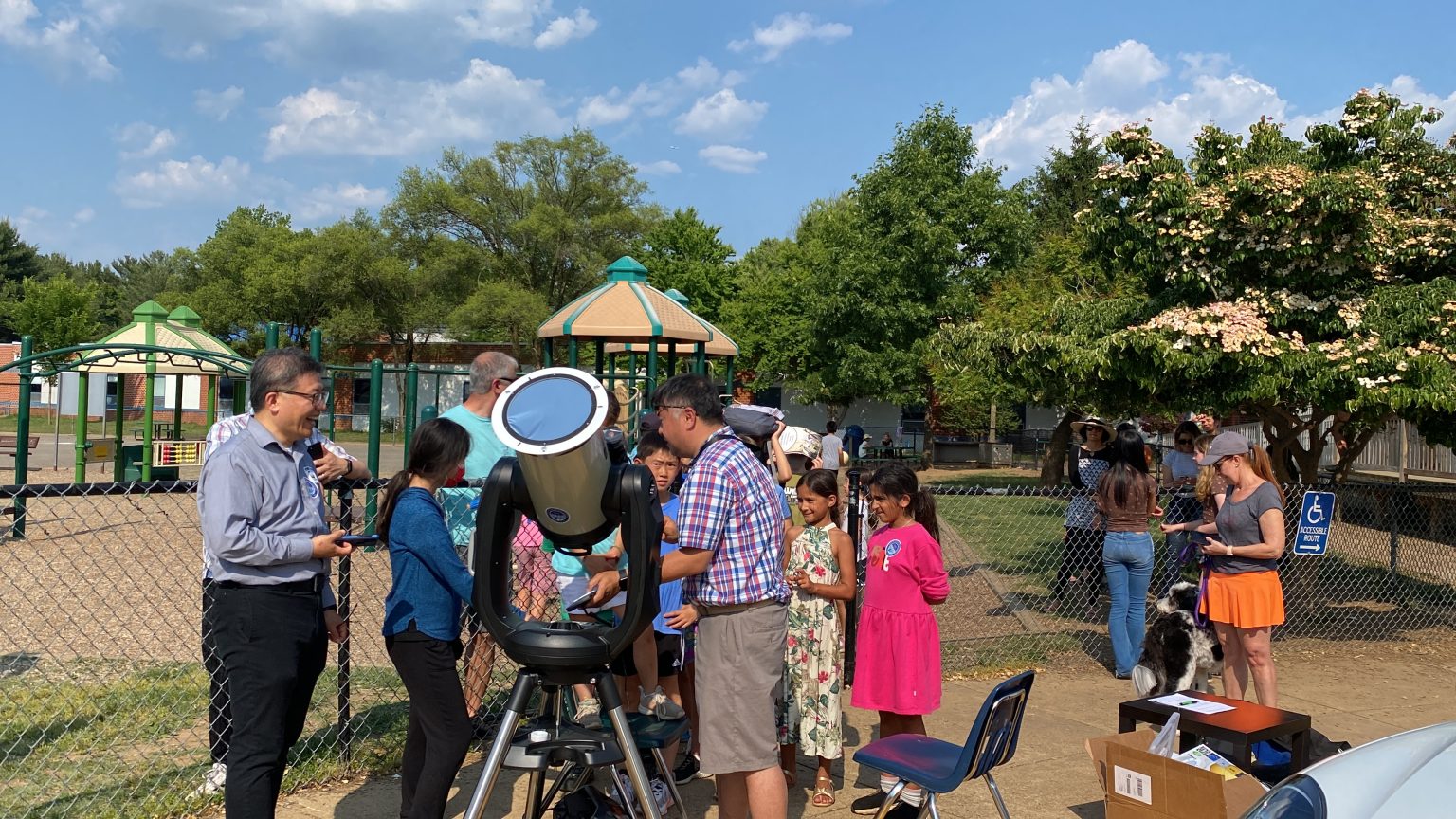
The American Bootes Astronomical Society brings professional and amateur astronomy into public spaces, schools, and family programs through observing events, lectures, summer camps, and classroom outreach.
We are amateur astronomers, educators, families, and lifelong learners united by science, the outdoors, and the wonder of the universe.
What we do
Explore astronomy your way.
Meet us under the stars, invite astronomy into a classroom, or join a community that keeps learning together.
Public Stargazing
Shared telescope views and friendly guidance bring the night sky within reach.
View upcoming events 02Astronomy in Classrooms
Hands-on science experiences designed to spark questions and lasting curiosity.
Plan a school visit 03Youth & Summer Programs
Science, outdoor discovery, and teamwork for the next generation of stargazers.
Explore STEM camp 04Talks & Community Events
Accessible conversations about astronomy, discovery, and our place in the cosmos.
Browse activitiesAstronomy worldwide
Discoveries from observatories and space agencies around the world.
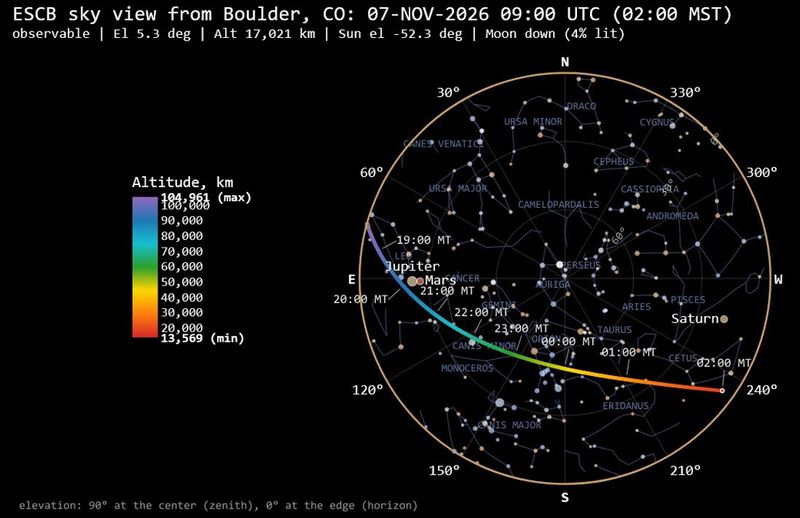
NASA’s Twin ESCAPADE Spacecraft to Slingshot Past Earth on Way to Mars
In a few days, NASA’s ESCAPADE (Escape and Plasma Acceleration and Dynamics Explorers) will perform a maneuver that no agency spacecraft has flown before — and do it twice. Each of the two ESCAPADE spacecraft w…
Read at NASA (opens in a new tab)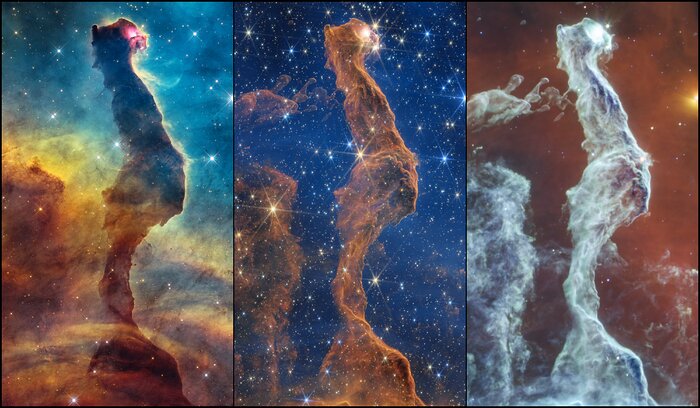
Ghostly Cat’s Head Nebula lurks within sight of Hubble and Webb
The NASA/ESA Hubble and the NASA/ESA/CSA James Webb Space Telescopes recently stared at an eerie star-forming scene within the Carina Nebula, a massive gas and dust cloud located approximately 7,500 light-years…
Read at ESA/Webb (opens in a new tab)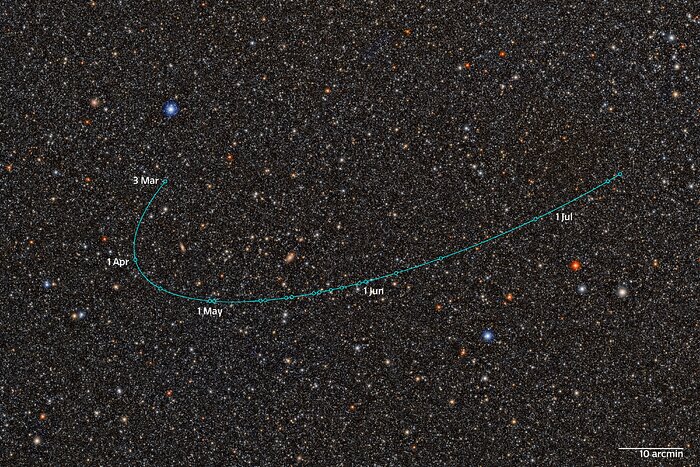
NSF–DOE Vera C. Rubin Observatory Reveals Its First Dwarf Planet Candidate in Our Solar System
In the outer reaches of our Solar System, beyond the orbit of Pluto, NSF–DOE Vera C. Rubin Observatory has spotted 2026 ED138 — a large, bright trans-Neptunian object that scientists have identified as a dwarf…
Read at NSF NOIRLab (opens in a new tab)Join the community
There is a place for you under this sky.
Whether you are a seasoned observer or simply curious, join fellow explorers who love to learn, share, and look up together.